Cinematography is one of the most important elements of filmmaking. It is the art and technique of capturing moving images on camera to tell a story visually. Every movie, television show, commercial, documentary, or music video relies on cinematography to create mood, emotion, and visual impact.
When people watch a film, they often focus on the actors or storyline, but cinematography is what shapes the overall viewing experience. From dramatic lighting and camera angles to smooth movement and colour tones, cinematography influences how audiences feel and connect with a story.
In simple terms, cinematography is the process of turning a script into visual storytelling.
Definition of Cinematography
The word “cinematography” comes from the Greek words:
- Kinesis meaning movement
- Graphy meaning writing or recording
So, cinematography literally means “writing with movement.”
A cinematographer, also called the Director of Photography (DoP), is responsible for capturing the visual style of a film or video. They work closely with the director to decide how scenes should look on screen.
Cinematography includes:
- Camera placement
- Lighting
- Shot composition
- Lens selection
- Camera movement
- Colour and visual tone
All these elements work together to create the final visual experience.
The Role of a Cinematographer
A cinematographer is the creative and technical expert behind the camera. Their job is not just to record scenes but to make those scenes visually powerful.
Main Responsibilities Include:
- Choosing cameras and lenses
- Designing lighting setups
- Planning camera angles and movement
- Creating the mood of each scene
- Working with directors and production teams
- Ensuring visual consistency throughout the project
A cinematographer helps transform the director’s vision into reality through visuals.
Why Cinematography is Important
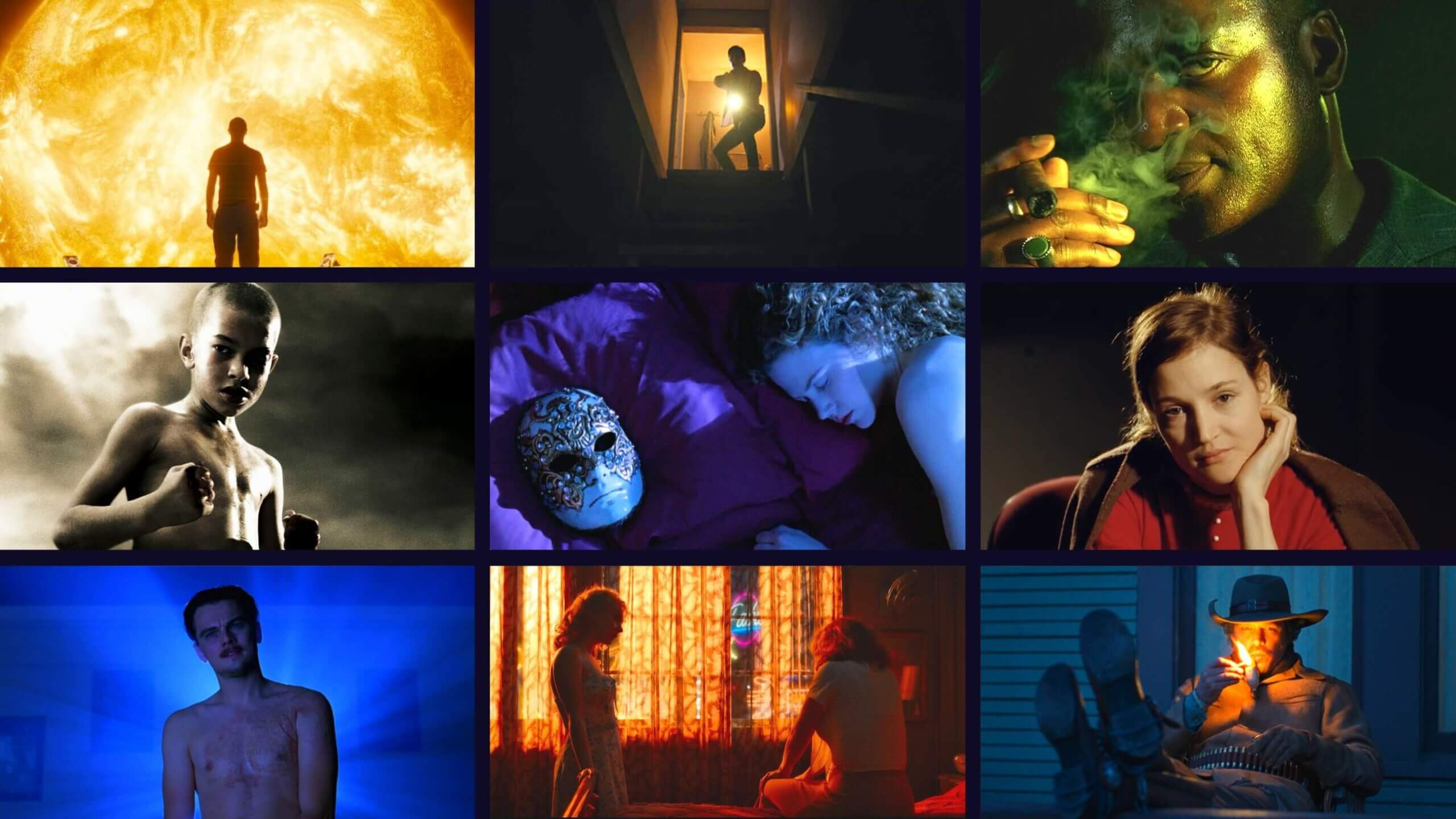
Cinematography is essential because visuals communicate emotions faster than words. A well-shot scene can instantly create tension, excitement, sadness, or joy.
For example:
- Dark lighting can create mystery or fear
- Warm colours can create comfort and happiness
- Handheld camera movement can make scenes feel intense or realistic
Without strong cinematography, even a great story can feel flat or uninteresting.
Key Elements of Cinematography
1. Camera Angles
Camera angles affect how audiences view characters and situations.
Some common angles include:
- Eye-Level Shot – natural and realistic
- Low Angle Shot – makes subjects appear powerful
- High Angle Shot – makes characters look weak or vulnerable
Different angles create different emotional responses.
2. Shot Composition
Composition refers to how objects and characters are arranged within a frame.
Good composition guides the viewer’s attention and creates balance in a scene.
One popular principle is the Rule of Thirds, where the frame is divided into sections for better visual balance.
3. Lighting
Lighting is one of the most powerful tools in cinematography.
It helps:
- Set the mood
- Highlight important details
- Add depth and realism
- Create atmosphere
There are different lighting styles used in filmmaking:
- Soft lighting for romance or beauty
- Hard lighting for drama or suspense
- Natural lighting for realism
4. Camera Movement
Movement adds energy and emotion to scenes.
Common camera movements include:
- Pan
- Tilt
- Dolly shot
- Tracking shot
- Handheld movement
For example, a smooth tracking shot can make viewers feel immersed, while shaky handheld footage can create tension.
5. Colour and Tone
Colours influence emotions and storytelling.
Examples:
- Blue tones often represent sadness or coldness
- Red can symbolize passion, danger, or anger
- Bright colours create cheerful moods
Modern cinematography often uses colour grading in post-production to enhance the visual style.
Types of Cinematography
Cinematography can vary depending on the type of production.
Film Cinematography
Used in movies and cinematic productions with high production value and artistic visuals.
Documentary Cinematography
Focuses on realism and natural storytelling.
Commercial Cinematography
Used in advertisements and brand campaigns to create visually appealing marketing content.
Drone Cinematography
Uses drones to capture aerial footage and dynamic perspectives.
Digital Cinematography
Modern filmmaking mainly relies on digital cameras instead of traditional film reels.
Tools Used in Cinematography
Professional cinematographers use various tools and equipment.
Cameras
Popular cinema cameras include:
- ARRI Alexa
- RED Cameras
- Sony Cinema Line
Lenses
Different lenses create different visual effects.
- Wide-angle lenses capture more environment
- Telephoto lenses focus on distant subjects
Lighting Equipment
Includes:
- LED lights
- Softboxes
- Reflectors
- Spotlights
Stabilization Equipment
Tools like gimbals, tripods, and Steadicams help create smooth shots.
Drones
Drones are now widely used for cinematic aerial shots.
Cinematography Techniques
There are many techniques cinematographers use to improve storytelling.
Depth of Field
Controls how much of the image stays in focus.
A shallow depth of field isolates subjects and creates a cinematic look.
Slow Motion
Used to emphasize dramatic moments or action scenes.
Long Takes
A scene shot without cuts creates immersion and realism.
Silhouettes
Using backlighting to create dark subject outlines adds artistic impact.
Cinematography in Modern Media
Today, cinematography is more important than ever. With platforms like YouTube, Netflix, and social media, audiences expect high-quality visuals everywhere.
Businesses, influencers, and brands now invest heavily in cinematic content to attract viewers.
This has increased demand for:
- Cinematographers
- Drone operators
- Video production teams
- Content creators
Difference Between Cinematography and Videography
Although related, cinematography and videography are different.
Cinematography
- Focuses on storytelling and artistic visuals
- Often used in films and high-end productions
- Involves detailed planning and creative direction
Videography
- Usually covers events or simpler productions
- Focuses more on recording than cinematic storytelling
Both require technical skills, but cinematography places stronger emphasis on visual artistry.
How to Become a Cinematographer
If you want to become a cinematographer, here are some important steps:
Learn the Basics
Understand:
- Camera settings
- Lighting
- Composition
- Editing
Practice Regularly
Experience is one of the best teachers in filmmaking.
Build a Portfolio
Create short films, commercials, or creative videos to showcase your skills.
Study Films
Watching movies helps you understand visual storytelling techniques.
Network in the Industry
Connections with directors and filmmakers can lead to opportunities.
The Future of Cinematography
Technology continues to change cinematography rapidly.
Modern innovations include:
- Virtual production
- AI-assisted editing
- 8K cameras
- Advanced drones
- CGI integration
Even with new technology, the core purpose of cinematography remains the same: telling stories through visuals.
Conclusion
Cinematography is the art of visual storytelling. It combines creativity, technical skill, and emotion to create memorable viewing experiences. From lighting and composition to camera movement and colour, every decision made by a cinematographer shapes how audiences feel and connect with a story.
Whether in films, commercials, documentaries, or online content, cinematography plays a crucial role in modern media. As visual content continues to dominate the digital world, the importance of skilled cinematography will only continue to grow.
For anyone passionate about filmmaking and creativity, cinematography offers an exciting and rewarding career path filled with endless opportunities for artistic expression.
Leave a Reply