Indoor FPV (First Person View) drone flythroughs are quickly becoming one of the most engaging ways to showcase spaces, products, and experiences. Across the UK, brands in real estate, hospitality, retail, and events are using this technique to create immersive video content that grabs attention and keeps viewers watching.
If you’ve seen a smooth, continuous video flying through a hotel lobby, weaving around furniture, and ending on a rooftop view—you’ve already experienced the power of FPV.
Let’s break down what indoor FPV drone flythroughs are, why they matter, and how UK businesses can use them effectively.
What Are Indoor FPV Drone Flythroughs?
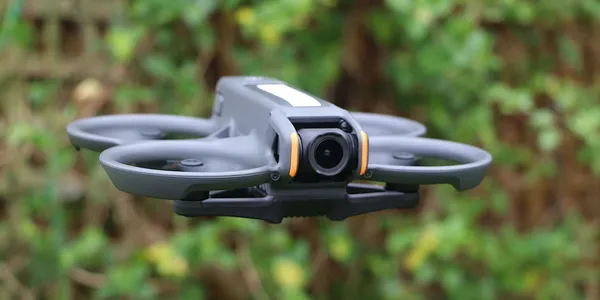
An indoor FPV drone flythrough is a video captured using a small, agile drone controlled by a pilot wearing FPV goggles. Instead of traditional camera setups, the drone moves fluidly through a space in one continuous shot.
Unlike standard videography:
- No cuts or transitions are needed
- Movement feels natural and cinematic
- Viewers feel like they are “inside” the space
These drones are specially designed for indoor use, often equipped with propeller guards to safely navigate tight areas.
Why Indoor FPV is Trending in the UK
UK audiences are increasingly drawn to immersive and authentic content. Static photos and basic walkthrough videos no longer stand out, especially on platforms like Instagram, TikTok, and YouTube.
Here’s why FPV flythroughs are gaining popularity:
- High Engagement Rates
The smooth, flowing motion keeps viewers hooked from start to finish. This increases watch time and boosts performance on social media algorithms. - Unique Visual Experience
Most people haven’t seen spaces presented this way before. It feels fresh and innovative. - Storytelling in One Shot
Instead of showing clips, you can tell a complete story—from entrance to highlight features—in a single video.
Industries in the UK Using FPV Flythroughs
Indoor FPV isn’t limited to one niche. Many industries across the UK are already benefiting:
Real Estate
Estate agents use FPV to showcase properties in a more dynamic way. It helps potential buyers understand layout and flow better than static images.
Hotels & Hospitality
Hotels, restaurants, and cafés use flythroughs to highlight ambience, décor, and customer experience.
Gyms & Fitness Studios
FPV videos can capture the energy of a gym, moving through workout zones, classes, and equipment.
Retail Stores
Brands use FPV to showcase store layouts and product displays creatively.
Event Venues
Wedding halls, conference spaces, and exhibition centres use flythroughs to attract bookings.
Benefits for UK Businesses
If you’re targeting a UK audience, indoor FPV flythroughs can give you a strong competitive edge.
- Stand Out in a Crowded Market
Most competitors are still using basic visuals. FPV immediately positions your brand as modern and innovative. - Better Customer Experience
Viewers can explore your space virtually, which builds trust and reduces uncertainty. - Increased Conversions
Whether it’s bookings, enquiries, or purchases—better visuals often lead to higher conversion rates. - Multi-Platform Use
One FPV video can be used on:
- Website homepage
- Social media ads
- Google listings
- Email marketing
How Indoor FPV Flythroughs Are Created
Creating a professional FPV video requires skill, planning, and the right equipment.
Pre-Planning
The pilot plans the route carefully—entry points, key highlights, and exit shots.
Drone Setup
Small FPV drones (often called “cinewhoops”) are used for indoor filming.
Manual Flying
Unlike automated drones, FPV drones are flown manually. This allows precise and creative movement.
Post-Production
After filming, the footage is stabilised, colour graded, and edited for a polished look.
Safety Considerations
Flying indoors requires strict safety measures, especially in commercial spaces.
- Use experienced FPV pilots
- Ensure propeller guards are installed
- Clear the area or manage foot traffic
- Conduct test flights before final shooting
In the UK, drone operators may also need to comply with regulations set by the Civil Aviation Authority (CAA), even for indoor shoots in certain cases.
Cost of FPV Flythroughs in the UK
Pricing can vary depending on the complexity of the project, size of the space, and production quality.
Typical factors affecting cost:
- Location size
- Number of takes required
- Editing and post-production
- Travel and setup time
On average, UK businesses can expect to invest anywhere from a few hundred to a few thousand pounds for a high-quality FPV video.
Tips for Getting the Best Results
If you’re planning to create an indoor FPV flythrough, keep these tips in mind:
Prepare Your Space
Make sure everything is clean, organised, and visually appealing.
Plan a Clear Storyline
Think about what you want viewers to feel and see.
Use Lighting Effectively
Good lighting enhances video quality significantly.
Hire Experienced Pilots
FPV flying is a skill. A professional pilot makes a huge difference.
Future of FPV in the UK Market
Indoor FPV flythroughs are still growing in popularity, and adoption is expected to increase rapidly across the UK.
With advancements in drone technology and editing tools:
- Videos will become even smoother
- More businesses will adopt this style
- Competition will push creativity further
Early adopters already have an advantage—but the window is still open for businesses to stand out.
Final Thoughts
Indoor FPV drone flythroughs are not just a trend—they’re a powerful marketing tool. For UK businesses looking to create engaging, modern, and high-impact content, FPV offers a unique opportunity.
Instead of showing your space, you let people experience it.
And in today’s digital world, experience is what drives attention—and ultimately, results.
Leave a Reply