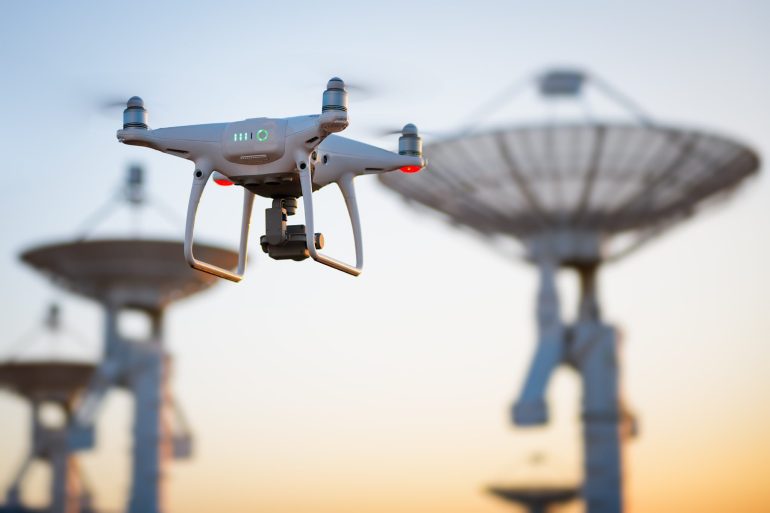
The world of photography has been completely transformed by the accessibility of unmanned aerial vehicles. Drone photography allows you to capture sweeping landscapes, dynamic cityscapes, and unique top-down perspectives that were once only possible with a chartered helicopter. In Australia, from the rugged red centre to the pristine coastlines, the opportunities for breathtaking aerial imagery are endless. Whether you are a hobbyist wanting to document your weekend travels or an aspiring professional looking to add a new dimension to your portfolio, mastering drone photography is an incredibly rewarding pursuit that merges technical skill with creative vision.
Choosing the Right Gear for Your Aerial Journey
Before you can capture stunning aerial images, you need the right equipment. When selecting a drone for photography, prioritise camera quality. Look for a drone with at least a 1-inch sensor to ensure crisp details and better low-light performance. A reliable 3-axis gimbal is also essential, as it keeps your camera perfectly stable even when the wind picks up. Beyond the drone itself, investing in the right accessories will make your shoots far more successful. Spare batteries are a must; most drones offer between 20 and 40 minutes of flight time, which goes by quickly when you are framing the perfect shot. Additionally, pack a set of Neutral Density (ND) filters. These act like sunglasses for your camera lens, allowing you to control shutter speeds and reduce glare on bright Australian summer days. Do not forget to pick up a fast, high-capacity MicroSD card to store your high-resolution files.
Understanding CASA Regulations in 2026
Safety and compliance are the foundation of good drone photography. In Australia, the Civil Aviation Safety Authority (CASA) governs the airspace, and the rules are strict for a reason. As of 2026, the fundamental rules dictate that you must not fly your drone higher than 120 metres above ground level. You must keep your drone at least 30 metres away from people not involved in the flight, and you cannot fly over crowded areas like busy beaches, sports stadiums, or festivals. Furthermore, you must maintain a visual line of sight with your drone at all times; relying solely on your smartphone screen is not permitted. You are also prohibited from flying within 5.5 kilometres of a controlled airport. Before you even turn on your propellers, always check a CASA-verified safety app, such as OpenSky, to ensure your chosen location is not a restricted no-fly zone.
Mastering Composition from Above
The rules of composition apply just as much in the sky as they do on the ground, but drone photography opens up entirely new angles. One of the most striking techniques is the top-down or bird’s-eye view. Tilting your gimbal 90 degrees straight down flattens the world into an abstract canvas, revealing patterns, shapes, and textures that are invisible from ground level. You can also experiment with a 45-degree angle to create a sense of depth and dimension. When framing your shots, use the rule of thirds by activating the grid lines on your drone’s display app. Look for leading lines, such as a winding river, a dusty outback road, or crashing ocean waves, to guide the viewer’s eye through the photograph. Symmetry and repeating patterns found in both nature and architecture also make for incredibly compelling aerial photos.
Chasing the Perfect Light and Weather
Lighting can make or break your drone photography. While modern drones have impressive dynamic range, flying during the harsh midday sun often results in flat, overly bright images with harsh shadows. Instead, aim to shoot during the golden hour, which occurs just after sunrise and just before sunset. The low angle of the sun casts long, dramatic shadows and bathes the landscape in a warm, cinematic glow. The blue hour, right before sunrise or after sunset, offers soft, even lighting that is perfect for capturing the twinkling lights of a cityscape. Always check the weather forecast before heading out. High winds not only drain your battery faster as the motors work harder to stabilise the drone, but they also risk sending your expensive gear crashing into a tree. Calm, overcast days can also be excellent for capturing even lighting without harsh contrast, especially when photographing forests or waterfalls.
Advanced Drone Photography Techniques
Once you are comfortable with basic flight and composition, it is time to explore advanced techniques. One of the best ways to ensure maximum image quality is to shoot in RAW format rather than JPEG. RAW files retain significantly more data, giving you much greater flexibility when recovering shadows and highlights in post-production. If you are shooting a high-contrast scene, such as a bright sky over a dark valley, utilise your drone’s Auto Exposure Bracketing (AEB) feature. This takes multiple photos at different exposure levels, which you can later blend together for a perfectly balanced High Dynamic Range (HDR) image. Another fantastic feature is panoramic stitching. Instead of relying on a single wide-angle shot, have your drone capture a sequence of overlapping images to create a massive, highly detailed panorama.
The Importance of Flight Preparation and Safety
Preparation is the key to a stress-free drone photography session. Always run through a pre-flight checklist before taking off. Inspect your propellers for any chips or cracks, ensure your compass and GPS are properly calibrated, and verify that both your drone and controller batteries are fully charged. Set a conservative return-to-home (RTH) altitude that clears the tallest obstacles in your area, such as trees or buildings, in case your drone loses its connection to the controller. If you are a beginner, it is highly recommended to practise your flight manoeuvres in an open, empty space like a local sports oval. Get comfortable with how the drone responds to the joysticks before attempting complex cinematic movements over tricky terrain.
Navigating Recreational Versus Commercial Flights
If you are flying purely for fun or to update your personal social media, you fall under the recreational category and do not need a licence, provided you follow standard CASA rules. However, the moment your drone photography brings in a financial benefit, CASA classifies it as a commercial operation. This includes selling prints, doing paid real estate photography, or even monetising a YouTube channel. For drones weighing under 2 kilograms, you can operate commercially under the excluded category, which requires you to get an RPA Operator Accreditation and register your drone. For larger drones or operations outside standard conditions, you will need to invest in a Remote Pilot Licence (RePL) and potentially a Remote Operator’s Certificate (ReOC). Understanding these pathways ensures you avoid hefty fines and operate professionally.
Bringing It All Together in Post-Production
Capturing the image is only half the process of drone photography; the magic truly happens in post-production. Using editing software allows you to bring out the full potential of your RAW files. Start by correcting any lens distortion or crooked horizons, which are common in aerial shots. Adjust your exposure, lift the shadows to reveal hidden details, and pull back the highlights to save a blown-out sky. Enhancing the vibrance and saturation can make the unique colours of the Australian landscape pop, from the deep turquoise of the ocean to the rich ochre of the earth. Just be careful not to over-edit; the goal is to enhance the natural beauty of the scene, not to create a neon caricature.
Final Thoughts on Your Aerial Adventure
Drone photography is a thrilling blend of aviation and artistry. It challenges you to think differently about space, scale, and composition while demanding a healthy respect for safety and aviation law. By choosing the right equipment, understanding the regulations, and continuously practising both your flying and editing skills, you will quickly find yourself capturing breathtaking imagery. Remember to always fly responsibly, respect the privacy of others, and most importantly, enjoy the unique privilege of seeing the world from a completely new perspective. Grab your controller, plan your next location, and take to the skies.
Leave a Reply