360 Drone: The Future of Aerial Photography and Immersive Content
The rapid evolution of drone technology has transformed how we capture the world from above. Among the latest innovations, the 360 drone stands out as a game-changer for content creators, filmmakers, real estate professionals, and tech enthusiasts. By combining aerial mobility with immersive 360-degree imaging, this technology offers a completely new perspective—literally and creatively.
In this article, we’ll explore what a 360 drone is, how it works, its key benefits, use cases, and why it’s shaping the future of visual storytelling.
What is a 360 Drone?
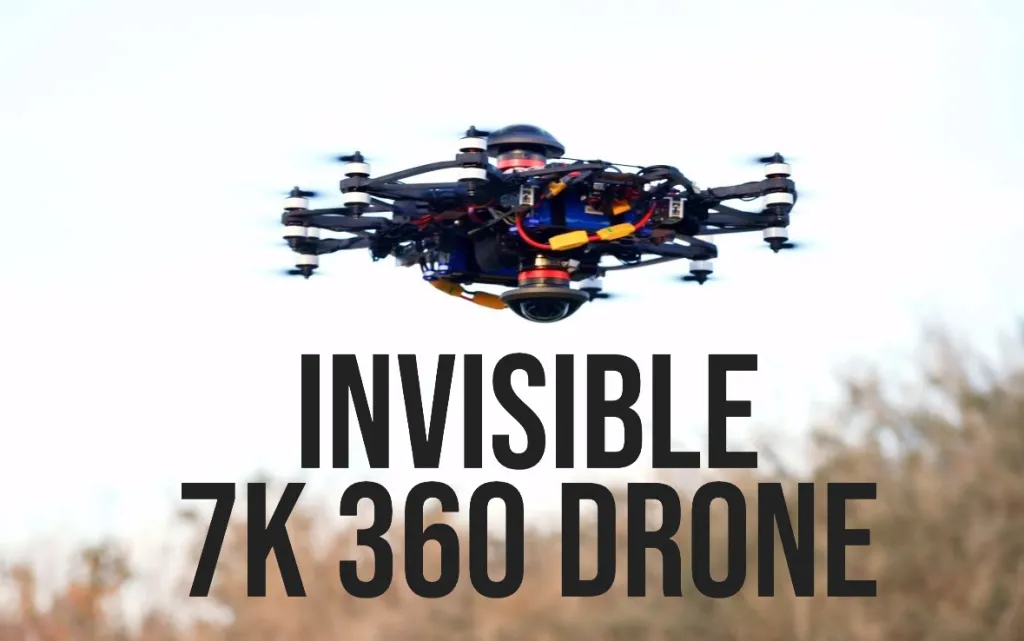
A 360 drone is an unmanned aerial vehicle equipped with a 360-degree camera that captures footage in all directions simultaneously. Unlike traditional drones that record from a single forward-facing camera, 360 drones use dual-lens or multi-lens systems to stitch together a full spherical view of the environment.
This means viewers can look up, down, left, right, and even behind while watching the footage—creating a fully immersive experience, especially when viewed on VR headsets or interactive platforms.
How Does a 360 Drone Work?
The core technology behind a 360 drone lies in its camera system. Most 360 cameras use two ultra-wide-angle lenses placed back-to-back. These lenses capture overlapping footage, which is then stitched together using software to create a seamless panoramic video or image.
Here’s how the process works:
- Capture – The drone flies and records using its 360 camera.
- Stitching – Software combines footage from multiple lenses.
- Editing – Creators can reframe shots, add effects, or create cinematic angles.
- Publishing – The final content can be shared on platforms like YouTube, Facebook, or VR apps.
This workflow allows creators to shoot first and decide framing later, giving unmatched flexibility in post-production.
Key Features of 360 Drones
1. Full Spherical Coverage
A 360 drone captures everything around it, ensuring no moment is missed. This is ideal for dynamic environments like events, landscapes, or action scenes.
2. Invisible Drone Effect
Some advanced setups can remove the drone from the footage, creating a “floating camera” effect. This makes videos look more cinematic and less mechanical.
3. Reframing Capability
Instead of worrying about camera angles during flight, users can adjust perspectives later. This is a huge advantage for beginners and professionals alike.
4. VR Compatibility
360 drone footage is perfect for virtual reality experiences, allowing viewers to feel like they’re actually present in the scene.
Benefits of Using a 360 Drone
Creative Freedom
With traditional drones, you must carefully plan every shot. A 360 drone lets you capture everything and decide later, opening endless creative possibilities.
Time Efficiency
No need for multiple takes from different angles. One flight can capture all perspectives.
Engaging Content
360-degree videos are more interactive and engaging, leading to higher viewer retention on social media and video platforms.
Professional Quality
Even beginners can produce high-quality, cinematic content thanks to advanced stabilization and smart editing tools.
Use Cases of 360 Drones
1. Real Estate Marketing
Real estate agents can create immersive property tours, allowing potential buyers to explore homes virtually. This is especially useful for international clients.
2. Travel and Tourism
Tourism boards and travel bloggers can showcase destinations in a way that feels real and immersive, boosting engagement and interest.
3. Event Coverage
From weddings to concerts, 360 drones can capture every angle of an event, ensuring no moment is missed.
4. Film and Content Creation
Filmmakers can use 360 drones for unique storytelling techniques, including VR films and interactive videos.
5. Sports and Action Shots
Extreme sports like surfing, biking, and skydiving benefit greatly from 360 perspectives, giving viewers a first-person experience
Challenges and Limitations
While 360 drones offer many advantages, they also come with some challenges:
High Cost
Advanced 360 drones and cameras can be expensive, making them less accessible for beginners.
Complex Editing
Stitching and editing 360 footage requires specialized software and skills.
Battery Life
Like all drones, limited flight time can be a constraint.
File Size
360 videos are large in size, requiring powerful systems for editing and storage.
Tips for Getting Started with 360 Drones
If you’re new to this technology, here are a few practical tips:
- Start with a compatible camera – Some 360 cameras can be mounted on existing drones.
- Learn stitching software – Tools like Adobe Premiere Pro and dedicated 360 editors are essential.
- Practice smooth flying – Stable footage improves final output quality.
- Plan your environment – Avoid cluttered areas for cleaner results.
- Experiment with angles – The beauty of 360 is flexibility, so explore different perspectives
Future of 360 Drone Technology
The future of 360 drones looks incredibly promising. As technology advances, we can expect:
- Better image quality with 8K and beyond
- Improved AI-based editing tools
- Longer battery life
- More affordable options for beginners
- Deeper integration with VR and AR platforms
In the coming years, 360 drones may become a standard tool for content creators, much like smartphones and traditional cameras are today.
Conclusion
The 360 drone is more than just a gadget—it’s a powerful storytelling tool that is redefining how we capture and experience the world. By combining aerial freedom with immersive visuals, it allows creators to produce content that is not only visually stunning but also deeply engaging.
Whether you’re a filmmaker, marketer, or hobbyist, investing in 360 drone technology can elevate your work to the next level. As the demand for interactive and immersive content continues to grow, 360 drones are set to play a central role in the future of digital media.
Leave a Reply