
Introduction
In the rapidly evolving world of logistics and supply chain management, technology continues to reshape how warehouses operate. Among the most transformative innovations is the use of warehouse drone flythroughs. These autonomous or remotely controlled aerial devices are redefining how businesses manage inventory, monitor operations, and ensure safety and efficiency within vast storage facilities. This article explores the concept of warehouse drone flythroughs, their applications, benefits, challenges, and the future they promise for warehouse operations.
What is a Warehouse Drone Flythrough?
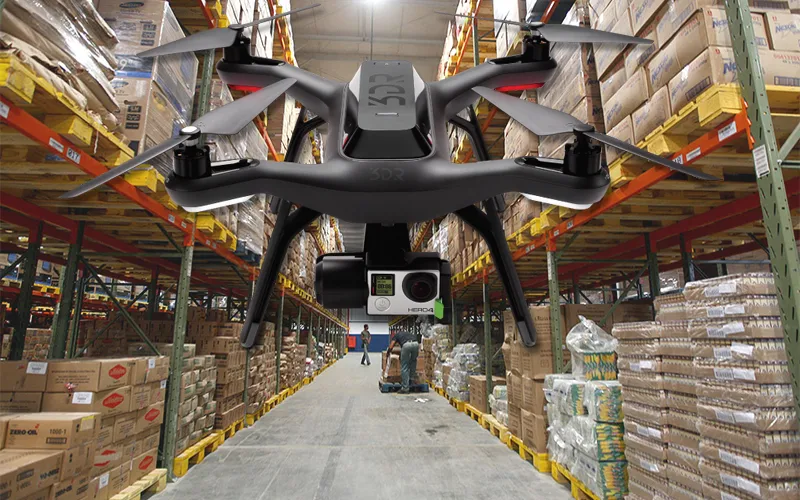
A warehouse drone flythrough is the process of using drones to navigate through warehouse aisles, racks, and storage areas, typically for inspection, monitoring, or inventory management. Equipped with high-resolution cameras, barcode scanners, RFID readers, and advanced navigation systems, these drones can autonomously or semi-autonomously fly through the warehouse, capturing data, scanning inventory, and providing real-time insights to warehouse managers.
Applications of Warehouse Drone Flythroughs
- Inventory Management
Drone flythroughs are increasingly used for regular inventory checks. Rather than relying on manual labor, drones can scan barcodes or RFID tags to quickly account for products stored on shelves, pallets, or bins. This not only speeds up the inventory process but also reduces human errors. - Facility Inspection and Maintenance
Drones can access hard-to-reach areas, such as high shelves or overhead structures, making them ideal for inspecting the physical integrity of racks, lighting, and HVAC systems. Regular flythroughs help identify maintenance issues before they become costly problems. - Security and Surveillance
Warehouse drone flythroughs can be programmed to patrol facilities after hours or during periods of low activity, providing live video feeds and alerting security personnel to unauthorized activities or safety hazards. - Workflow Optimization
By recording and analyzing drone footage, warehouse managers can identify bottlenecks in workflow, assess floor space utilization, and implement changes to improve operational efficiency.
Benefits of Warehouse Drone Flythroughs
- Increased Efficiency
Traditional inventory counts are labor-intensive and time-consuming. Drones can complete inventory scans in a fraction of the time, covering large areas quickly and with minimal disruption to ongoing operations. - Enhanced Accuracy
Automated data collection reduces the risk of human error, leading to more accurate inventory records and reducing the likelihood of stock discrepancies. - Improved Safety
By handling the inspection of high, difficult-to-reach, or potentially hazardous areas, drones minimize the need for employees to use ladders or lifts, reducing the risk of workplace accidents. - Cost Savings
While the initial investment in drone technology can be significant, the long-term savings from increased efficiency, reduced labor costs, and minimized losses due to errors or theft can be substantial. - Real-Time Data and Analytics
Drones provide real-time data that can be integrated into warehouse management systems (WMS), allowing for immediate decision-making and better demand forecasting.
Challenges and Considerations
- Regulatory Compliance
- Warehouses must ensure compliance with aviation and privacy regulations, especially when operating drones indoors or near populated areas. This may require special permissions or adherence to specific safety protocols.
- Technology Integration
Integrating drone data with existing warehouse management systems can be complex, requiring robust APIs and data formats for seamless communication. - Battery Life and Payload Limitations
Drones have limited flight time and payload capacity, which can restrict the amount of data they can collect in a single flight or the types of sensors they can carry. - Initial Investment
Although drones offer cost savings over time, the upfront costs for purchasing, programming, and maintaining drone systems can be a barrier for smaller warehouses. - Staff Training
Employees must be trained to operate, monitor, and maintain drone systems, which involves a learning curve and possible changes in job roles.
Case Studies: Warehouse Drone Flythroughs in Action
Several major logistics and retail companies have already adopted drone flythrough technology. For example, Walmart has tested drones for inventory management in its distribution centers, dramatically reducing the time required for inventory checks. Similarly, DHL has explored drone flythroughs for facility inspections and security, reporting improvements in both efficiency and safety.
Technological Innovations Driving Drone Flythroughs
The effectiveness of warehouse drone flythroughs is being enhanced by several technological advances:
- Artificial Intelligence (AI): AI-powered drones can recognize objects, interpret barcode and RFID data, and autonomously navigate complex warehouse layouts.
- Machine Learning: Drones equipped with machine learning algorithms can improve their accuracy and efficiency over time, learning from previous flights and adjusting their navigation strategies.
- Advanced Imaging: High-resolution cameras and 3D scanning technology allow drones to capture detailed images and even map warehouse spaces in three dimensions.
- Cloud Computing: Data collected by drones can be uploaded to the cloud, enabling real-time analytics and remote monitoring by warehouse managers.
Best Practices for Implementing Warehouse Drone Flythroughs
- Assess Operational Needs
Before investing in drone technology, warehouses should assess their specific needs and determine the areas where drone flythroughs can offer the most value. - Start Small and Scale Up
Begin with pilot programs in limited areas to test drone effectiveness and iron out integration issues before scaling up to full warehouse operations. - Ensure Staff Buy-In
Involve employees in the implementation process, providing training and clear communication about how drones will support, rather than replace, their roles. - Prioritize Safety and Compliance
Establish safety protocols for drone operation, maintenance, and data handling, and ensure compliance with all relevant regulations. - Continuously Evaluate and Improve
Regularly review drone performance, gather feedback, and stay abreast of emerging technologies to ensure the system remains effective and up to date.
The Future of Warehouse Drone Flythroughs
As technology continues to advance, warehouse drone flythroughs will only become more prevalent. The integration of autonomous drones with robotics, AI, and IoT devices promises a future where warehouses are not just automated, but intelligent, adaptive, and highly efficient. Drones will increasingly serve as the eyes and ears of warehouse managers, enabling proactive management and rapid response to operational challenges.
Conclusion
Warehouse drone flythroughs are revolutionizing inventory management, facility inspection, and security in modern warehouses. By adopting this innovative technology, businesses can enhance accuracy, efficiency, safety, and cost-effectiveness. As adoption grows and technology matures, drone flythroughs will become a standard practice in warehouse operations, ushering in a new era of smart, data-driven logistics.
Leave a Reply