The world of drones has evolved rapidly over the past decade, but one area that continues to capture attention is FPV flying. An FPV drone pilot combines technical skill, creativity, and fast reflexes to control drones in ways that traditional drone operators cannot. Whether it is cinematic filming, racing through obstacle courses, or creating immersive aerial experiences, FPV drone pilots are becoming increasingly important across many industries.
From film production and real estate marketing to sports coverage and commercial advertising, the demand for skilled FPV pilots is growing worldwide. This article explores what an FPV drone pilot does, the skills required, the industries hiring them, and how beginners can enter this exciting field.
What Is an FPV Drone Pilot?
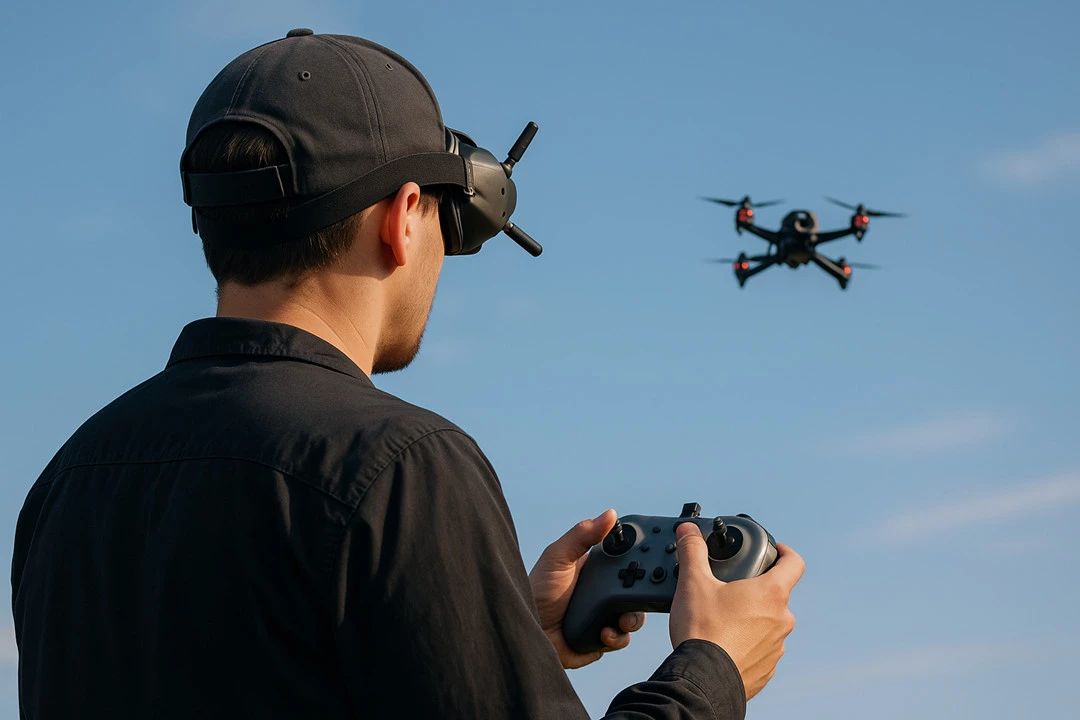
An FPV drone pilot operates drones using a “First Person View” system. Instead of flying by watching the drone from the ground, the pilot wears FPV goggles that display a live video feed directly from the drone’s camera. This creates an immersive flying experience that feels almost like sitting inside the drone itself.
Unlike standard drones that rely heavily on stabilisation and automated controls, FPV drones are designed for agility, speed, and manual control. Pilots can perform sharp turns, dives, flips, and dynamic movements that create visually stunning footage.
FPV stands for “First Person View,” and it has transformed the drone industry by allowing pilots to capture cinematic shots that were previously impossible or extremely expensive to achieve.
The Role of an FPV Drone Pilot
An FPV drone pilot does much more than simply fly a drone. Their responsibilities often include:
- Planning flight routes
- Ensuring safety regulations are followed
- Capturing smooth cinematic footage
- Maintaining drone equipment
- Managing battery systems
- Performing pre-flight inspections
- Editing or delivering footage to clients
Professional FPV pilots often work closely with film directors, marketing agencies, sports organisations, and content creators to achieve specific visual goals.
Industries That Hire FPV Drone Pilots
The demand for FPV drone pilots has expanded beyond hobbyist racing. Today, many industries rely on FPV drone services for unique visual content.
Film and Television
One of the biggest industries using FPV drones is film production. FPV pilots can create immersive chase scenes, indoor flythroughs, and action shots that traditional camera systems cannot replicate.
Large productions use FPV drones for:
- Sports coverage
- Action movies
- Music videos
- Commercial advertisements
- Event cinematography
The ability to fly through tight spaces while maintaining smooth footage makes FPV drones especially valuable in modern filmmaking.
Real Estate and Property Marketing
Real estate agencies increasingly use FPV drone pilots to create cinematic property tours. Instead of static aerial shots, FPV drones can smoothly fly through hallways, gardens, gyms, and outdoor areas to create an engaging viewing experience.
Luxury properties, hotels, and commercial buildings particularly benefit from FPV flythrough videos because they help properties stand out online.
Sports and Events
FPV drones are perfect for fast-paced sports coverage. They can follow athletes at high speeds and capture angles that standard cameras cannot achieve.
Popular sports for FPV filming include:
- Mountain biking
- Motorsport racing
- Surfing
- Skiing
- Football
- Cycling
Event organisers also hire FPV pilots for concerts, festivals, and live entertainment experiences.
Social Media Content Creation
Brands and influencers constantly look for eye-catching content. FPV drone footage creates dramatic visuals that perform exceptionally well on platforms like Instagram, TikTok, and YouTube.
Creative FPV shots help businesses increase engagement and improve brand visibility online.
Essential Skills for an FPV Drone Pilot
Becoming a successful FPV drone pilot requires more than just owning a drone. Pilots need a combination of technical and creative abilities.
Drone Flying Skills
Manual control is essential in FPV flying. Unlike beginner drones that stabilise automatically, FPV drones require constant pilot input.
Pilots must learn:
- Throttle control
- Smooth turning
- Altitude management
- Acrobatic manoeuvres
- Emergency recovery techniques
Most professional pilots spend hundreds of hours practising before working commercially.
Understanding Drone Technology
FPV pilots need strong technical knowledge because they often build, repair, and customise their own drones.
Key technical areas include:
- Flight controllers
- Electronic speed controllers (ESCs)
- Motors and propellers
- Battery systems
- Video transmitters
- Radio receivers
Knowing how to troubleshoot technical problems is extremely important during professional shoots.
Cinematic Creativity
Flying skills alone are not enough. Great FPV pilots understand camera movement, storytelling, and visual composition.
Professional pilots know how to:
- Create smooth cinematic movements
- Match music pacing
- Capture dramatic transitions
- Maintain proper framing
- Enhance storytelling through motion
This creative aspect is what separates hobbyists from professional FPV drone pilots.
Equipment Used by FPV Drone Pilots
FPV pilots use specialised equipment to achieve high-speed flight and cinematic footage.
FPV Drone
The drone itself is usually custom-built or heavily modified for performance. Different drones are used for racing, freestyle flying, and cinematic work.
FPV Goggles
FPV goggles provide the live video feed from the drone camera. These goggles give pilots an immersive experience with minimal delay.
Radio Controller
The controller allows pilots to manually control every movement of the drone. Precision and responsiveness are critical.
Action Camera
Many FPV drones carry lightweight action cameras to record high-quality footage. Cameras capable of stabilisation and high frame rates are especially popular.
Batteries and Chargers
FPV drones consume significant power, especially during aggressive flying. Pilots often carry multiple batteries for professional shoots.
How to Become an FPV Drone Pilot
Starting a career as an FPV drone pilot requires dedication and consistent practice.
Learn the Basics
Beginners should first understand basic drone controls and flight principles. Drone simulators are highly recommended because they help develop muscle memory without crashing real drones.
Practise Regularly
FPV flying takes time to master. Most pilots improve through consistent practice in open environments before attempting complex manoeuvres.
Study Drone Regulations
Commercial drone pilots must understand aviation laws and local regulations. Many countries require certifications for commercial drone operations.
Important areas include:
- Airspace restrictions
- Safety procedures
- Insurance requirements
- Privacy laws
- Commercial licensing
Build a Portfolio
To attract clients, FPV pilots should create a professional portfolio showcasing their best work.
A strong portfolio may include:
- Real estate flythroughs
- Action sports footage
- Event coverage
- Cinematic edits
- Creative freestyle videos
Social media platforms and video-sharing websites are excellent places to display FPV work.
Career Opportunities for FPV Drone Pilots
FPV drone pilots can work in several professional roles, including:
- Freelance drone operator
- Cinematic drone pilot
- Racing competitor
- Social media content creator
- Commercial video producer
- Event videographer
Some pilots also start their own drone production companies and offer complete aerial filming services.
Challenges of FPV Drone Flying
Although FPV flying is exciting, it also comes with challenges.
Risk of Crashes
FPV drones move at high speeds, making crashes common during practice and professional work.
Technical Complexity
Building and maintaining drones requires technical understanding that can be difficult for beginners.
Weather Conditions
Wind, rain, and poor visibility can affect drone performance and flight safety.
Competitive Industry
As the popularity of FPV drones increases, competition among pilots continues to grow. Standing out requires strong skills and creativity.
The Future of FPV Drone Pilots
The future looks extremely promising for FPV drone pilots. As drone technology improves, industries continue adopting FPV footage for marketing, entertainment, and immersive experiences.
Emerging technologies such as AI-assisted flight systems, improved stabilisation, and higher-quality video transmission will make FPV flying even more advanced in the coming years.
Virtual reality and live-streaming applications may also create new opportunities for professional FPV pilots.
Conclusion
An FPV drone pilot combines technology, creativity, and precision to deliver breathtaking aerial experiences. From cinematic filmmaking to sports coverage and commercial advertising, FPV drones are transforming the way visual content is captured.
Becoming a professional FPV drone pilot requires patience, practice, and technical skill, but the opportunities within the industry continue to grow rapidly. As businesses and creators seek more immersive and engaging content, skilled FPV pilots will remain in high demand.
For anyone passionate about drones, cinematography, or aviation technology, FPV flying offers an exciting and rewarding career path filled with creativity and innovation.
Leave a Reply